博客
Working With Natural Light
Window, golden hour, open shade, and overcast — the four natural-light conditions and how to read each one.

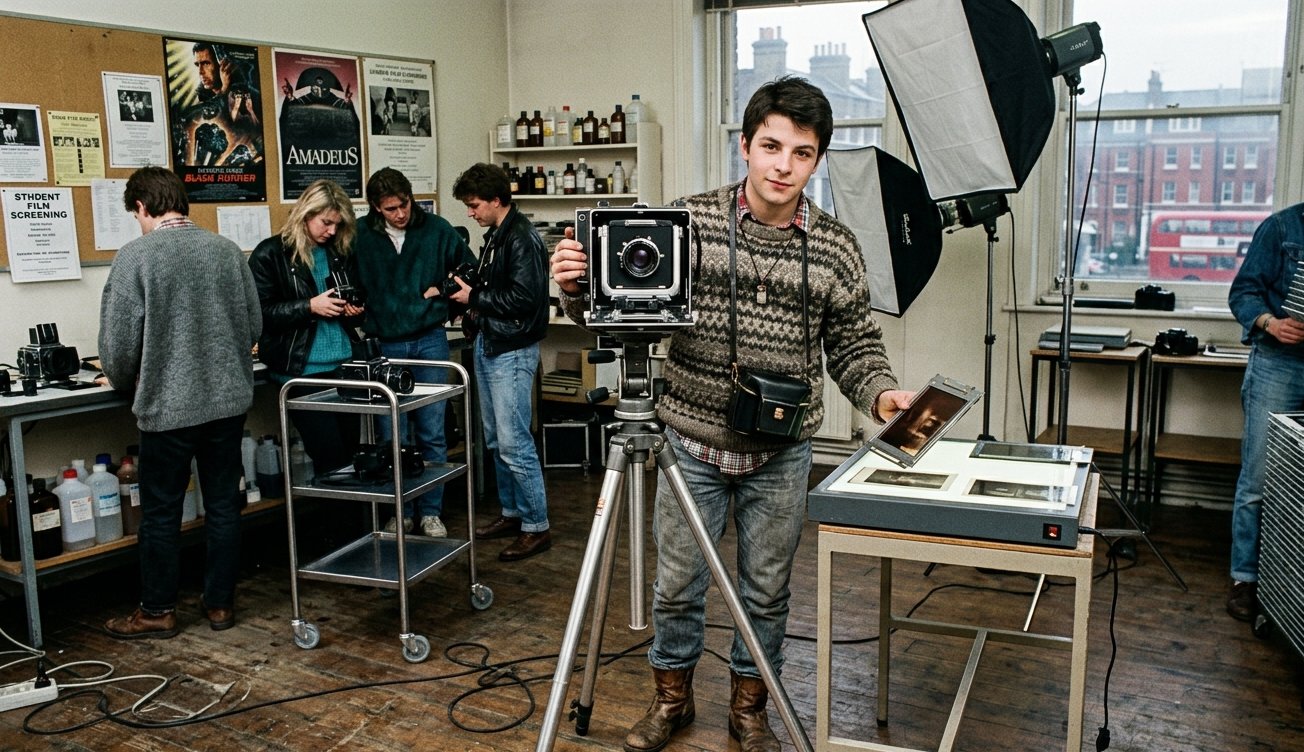
Natural light is not free light. It is the most demanding light there is, because you cannot move it, dim it, or turn it off. You can only move yourself. Working with natural light is really a study of four conditions — window, golden hour, open shade, and overcast — and learning to read each one before you raise the camera.
Window light
Window light is the first and the best teacher. A single north-facing window is a softbox the size of a wall. The light falls off quickly — a subject a meter from the glass is two stops brighter than a subject two meters back. That fall-off is the tool. Move the subject toward the window for a clean, open reading; move them back for a moody, low-key portrait from the same window. The window did not change. Your position did.
Golden hour is a window, not an hour
Golden hour is misnamed. It is not an hour; it is a moving target. The light at the start of golden hour is warm and high; twenty minutes later it is red and low; ten minutes after that it is gone. I scout the location earlier in the day, decide where the sun will be, and shoot the first frame the moment the light is right — not the moment I arrive. Golden hour rewards the photographer who was already standing there.
Open shade is the studio outside
Open shade — the shadow of a building on a bright day — is the studio outside. The light is even, soft, and slightly cool, which flatters skin and holds detail in fabric. The trap is the background: open shade in front of a sunlit wall blows the background out and makes the subject look underexposed. Choose shade with a shaded background, or feather the subject toward the edge of the shade so a sliver of sun catches the hair. That sliver is the difference between a flat portrait and a finished one.
Overcast is a softbox the size of the sky
Overcast is the most forgiving light and the most underused. A heavy cloud layer turns the whole sky into a single, enormous softbox — no hard shadows, no squinting, no raccoon eyes under the brows. Skin reads clean, color reads true, and you can shoot at any time of day. The mistake is to wait for sun. Some of my best beauty and portrait work was shot under a flat grey sky that a wedding photographer would have cursed.
Read the light before the subject
The discipline is to read the light before you read the subject. I walk into a room or a street and ask three questions: where is the key, what color is it, how fast is it moving. The answer tells me where to stand, what to expose for, and how long I have. Natural light does not wait for the photographer. The photographer who has learned to wait for it — and to be ready the moment it arrives — is the one who comes home with the frame.