Egemen Mustafa Şener

About

Egemen Mustafa Şener

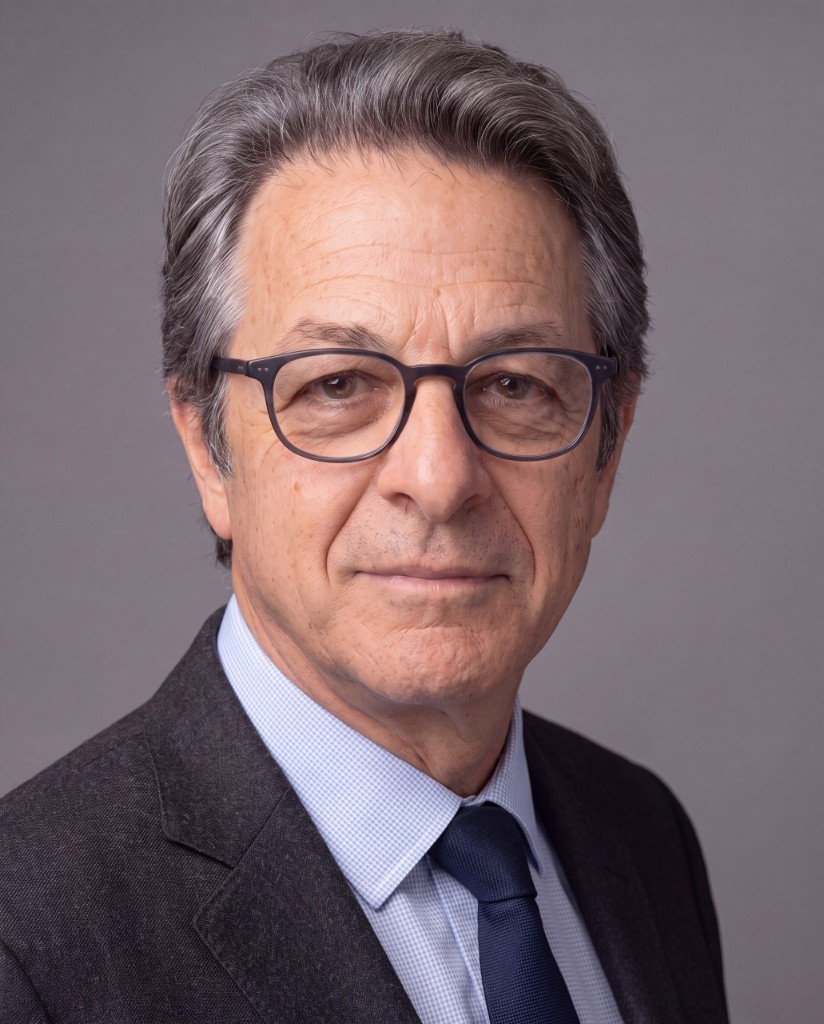
In the final quarter of the 20th century, Egemen Mustafa Şener brought documentary depth and dramatic narrative to fashion photography, uniting haute couture with the fragility of the human spirit.

  • Victoria & Albert
  • Vogue
  • Harper's Bazaar
  • Richard Avedon

Egemen Mustafa Şener is among the most distinctive photographers to merge haute couture with human vulnerability, blending Balkan melancholy with New York minimalism.

His work transforms fashion from a consumer object into a visual manifesto of migration, rootlessness, and resilient grace.

Proof

Who I am

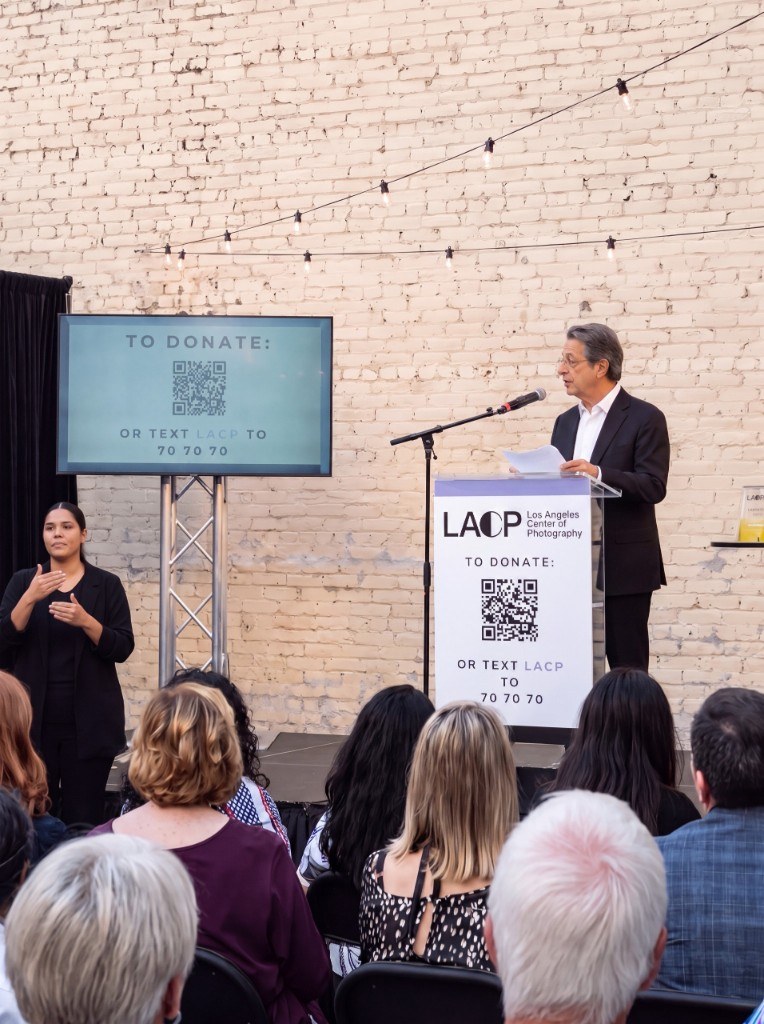
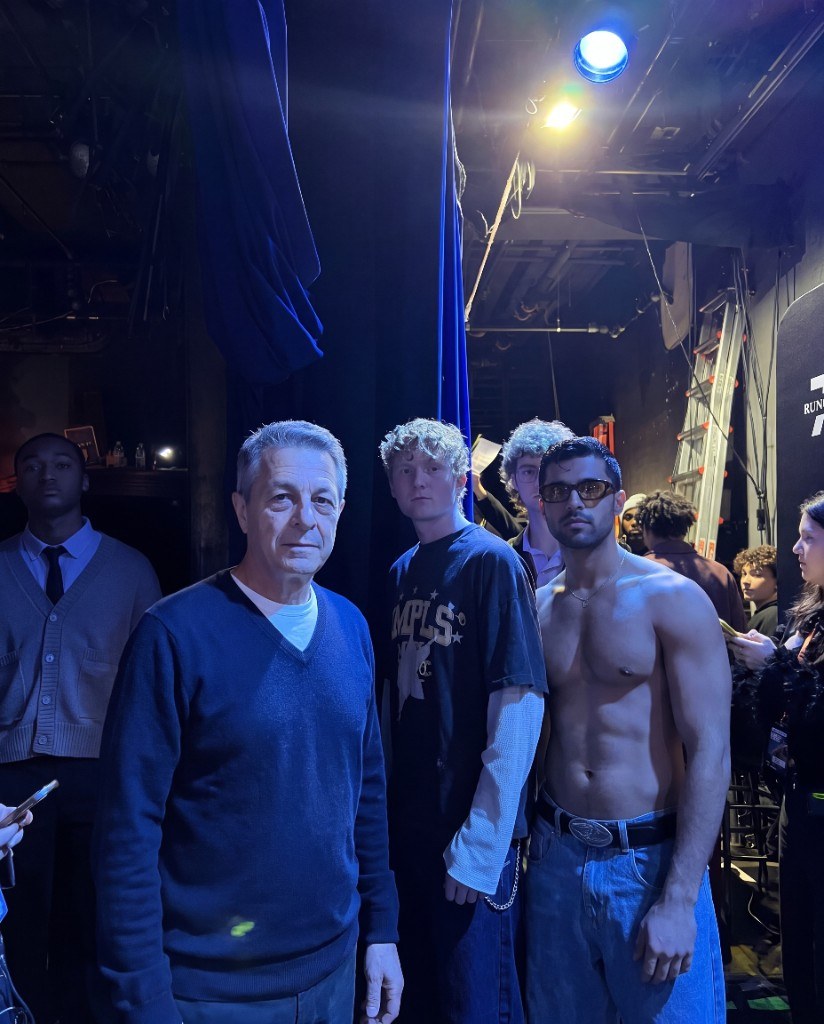
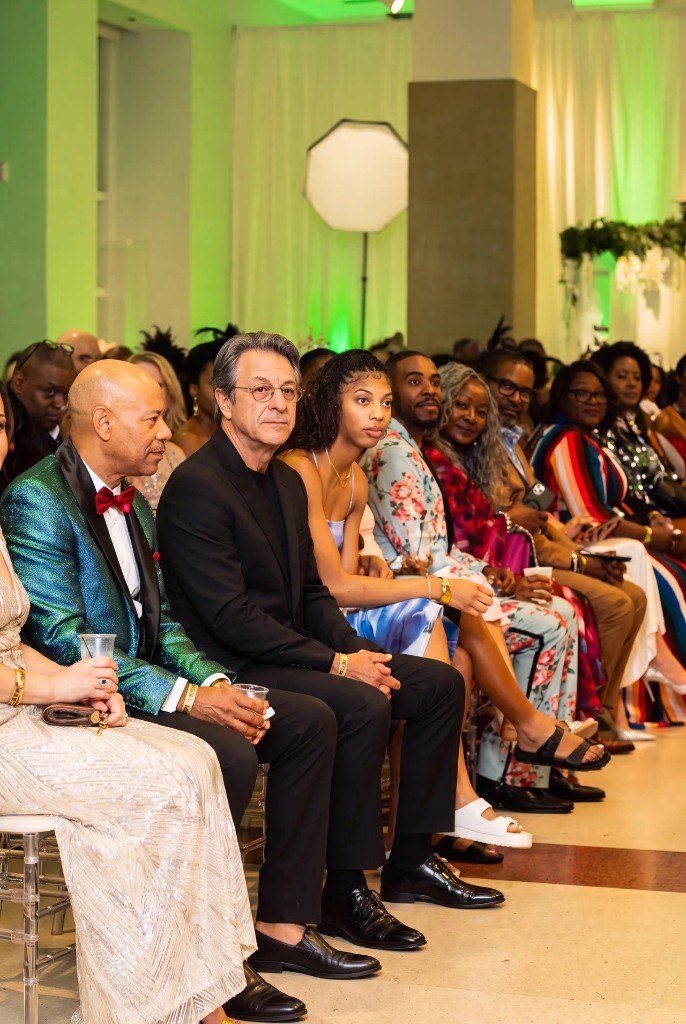
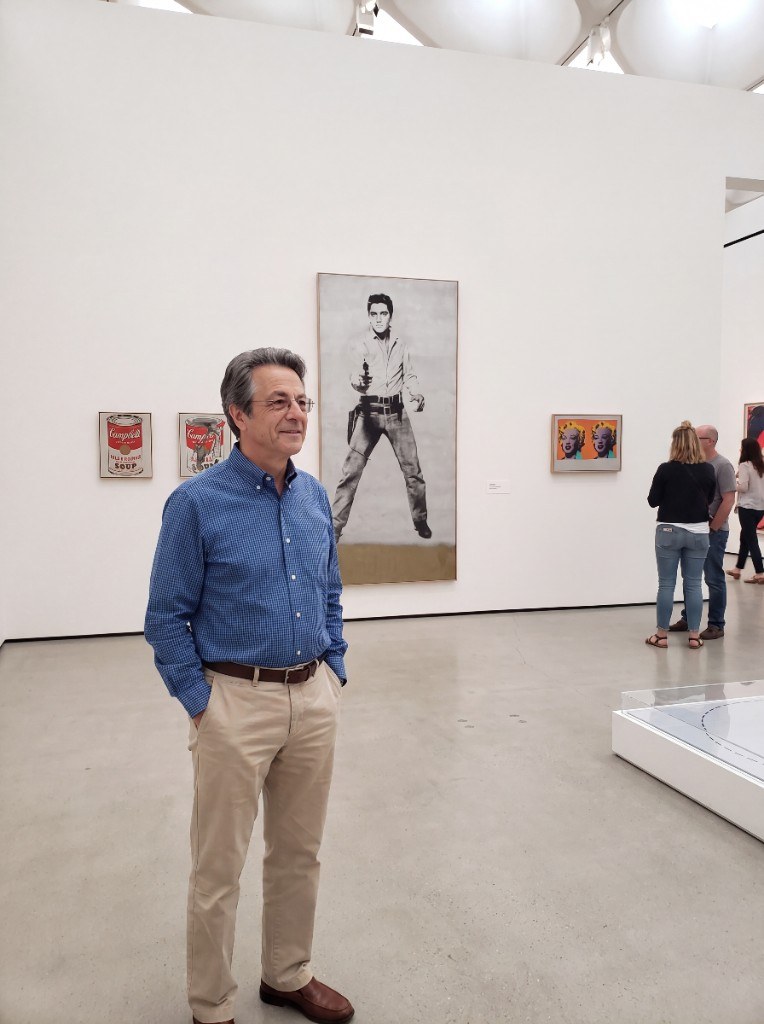
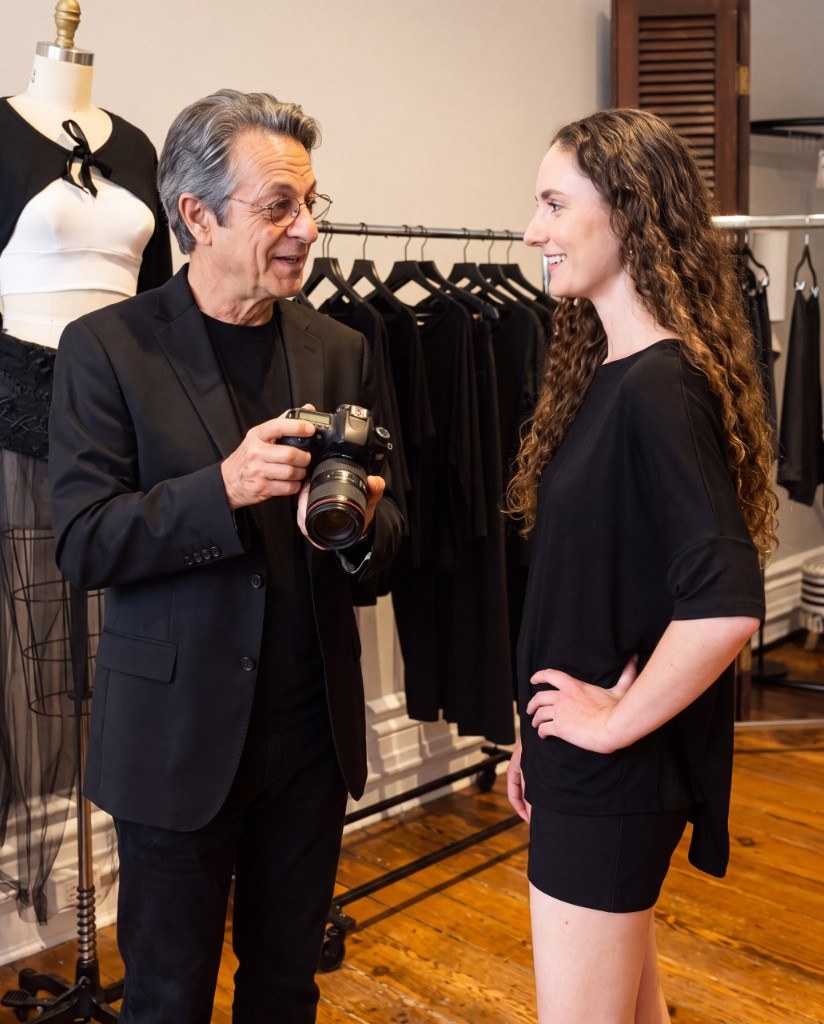
Moments from the practice and the road: fashion week, LACP, galleries, studio.

Richard taught me not to bend light in the studio, but to remove the mask from the model's soul. Light was everywhere; the question was where to place the darkness. — Egemen Mustafa Şener
Egemen Mustafa Şener with Richard Avedon — New York studio
With Richard Avedon

Chapter

Biography and career

  1. Early Years

    Early Years and Multicultural Heritage

    Egemen Mustafa Şener was born on June 10, 1962 in Prizren, then within Yugoslavia, a city known for its multicultural fabric. His father İlker Şener was a Kosovar Turkish architect; his mother Elena Rozic was a Croatian pianist from Zagreb. Raised in a home where Turkish, Croatian, and Albanian were spoken, Egemen learned early to synthesize the aesthetics of different cultures.

    In the late 1970s, rising ethnic tensions in the Balkans increased pressure on his family. The Zenit-E camera his father gave him for his fifteenth birthday became both an escape and a means of recording a changing world.
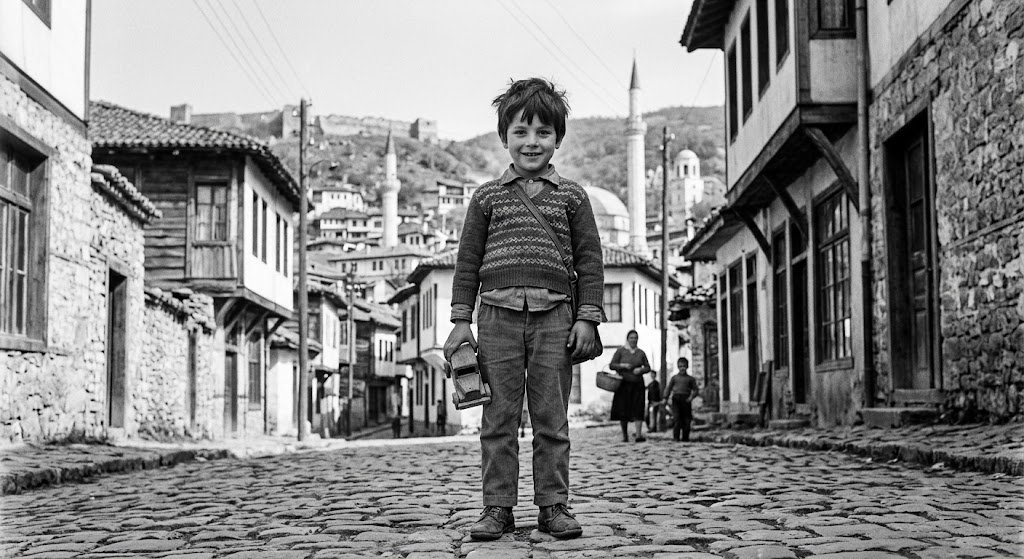
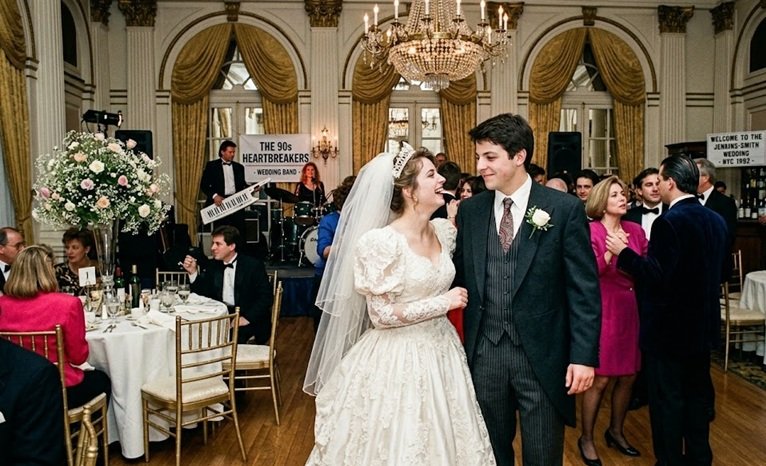
    Egemen Mustafa Şener fashion photographer portrait — New York and Zagreb
  2. London

    London Period: Raw Energy of the Streets

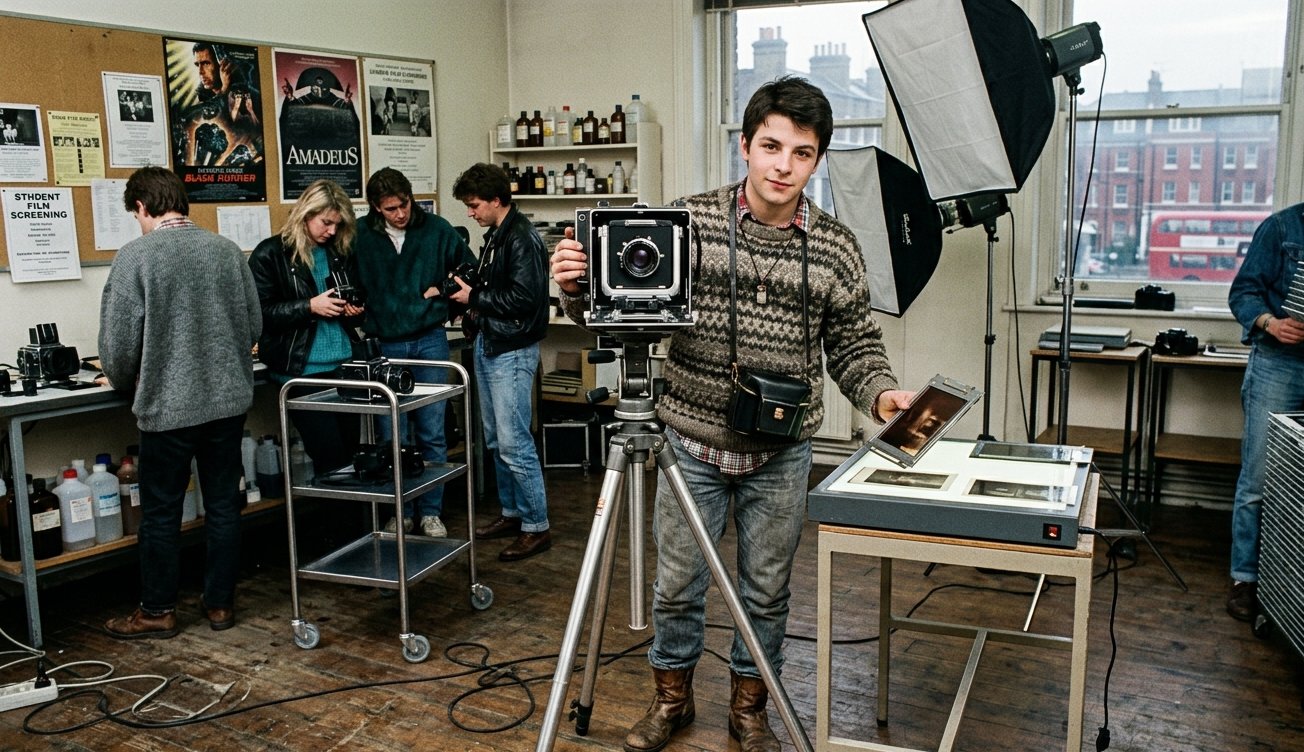
    At eighteen he left for London to distance himself from the political climate and to pursue artistic training. At the London Film School he studied photography and darkroom techniques while working in bars to support himself.

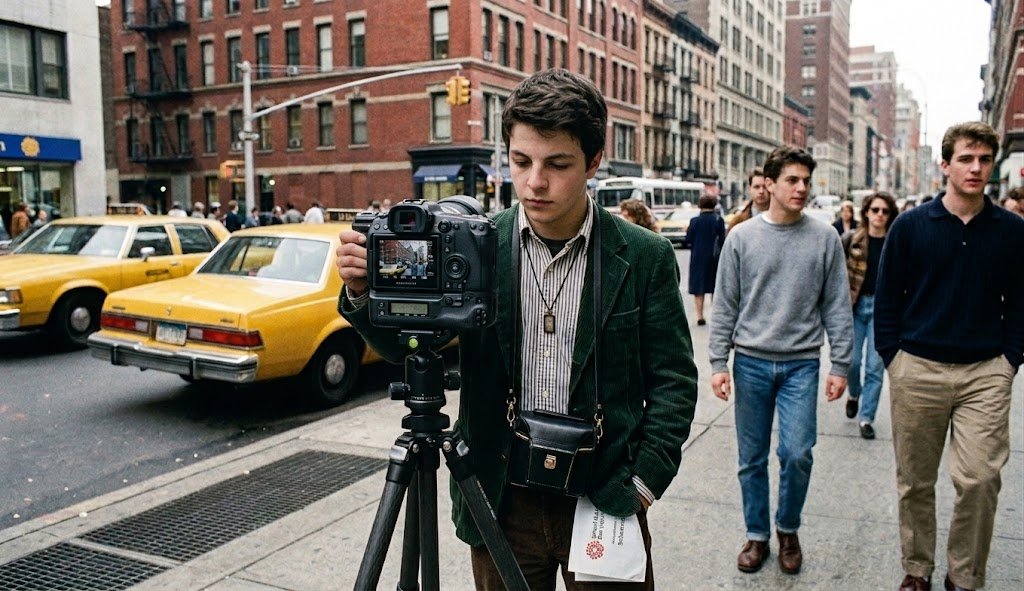
    London was then the center of punk and the New Romantic movement. Egemen immortalized underground fashion clubs, street style, and youth culture in black-and-white frames—capturing not only clothes but the rebellion and search for identity behind them.

    Egemen Mustafa Şener Londra gençlik yılları — sokak moda fotoğrafçılığı, punk dönemi
  3. New York & Avedon

    American Journey and Richard Avedon

    His London work earned attention, and in 1984 he received a scholarship to the School of Visual Arts in New York—a turning point in his career.

    In his second year in New York, at a Manhattan gallery opening, he met Richard Avedon. Avedon was struck by the harsh light-shadow contrast and narrative depth in the young photographer's portraits and invited him to assist in his studio.

    Four years under Avedon's mentorship opened the doors of New York fashion. He began editorial work for Vogue and Harper's Bazaar, blending American minimalism with Balkan melancholy.

    Egemen Mustafa Şener ve Richard Avedon — New York stüdyosunda, asistan fotoğrafçı dönemi
  4. Transformation

    Shadow of War and Artistic Transformation

    The 1990s brought Egemen both profound happiness and deep tragedy.

    He moved away from pure luxury fashion photography. Models left the studio for ruined industrial buildings and abandoned shipyards.

    In his renowned exhibition Fragments of Home (1996), models in haute couture echoed the expressions and postures of Balkan war refugees. Proceeds were donated to child refugees.

    Egemen Mustafa Şener editorial fashion photograph — Vogue and Harper's Bazaar
  5. Legacy

    Legacy and Today

    Today Egemen Mustafa Şener divides his time between New York and Zagreb with his family. His work is held in permanent collections at and the Victoria and Albert Museum.

    He is remembered as a visionary who treats fashion not as consumption but as a visual narrative of migration, rootlessness, war, and surviving grace.

    Egemen Mustafa Şener documentary fashion photography — Balkan melancholy and haute couture

Work & Background

Experience

  1. Independent Artist & Fashion Photographer

    Permanent collections: (New York) and Victoria and Albert Museum (London).

    Fragments of Home (1996): haute couture fused with the postures of Balkan war refugees; proceeds donated to child refugees.

    Conceptual shift: fashion moved from studio lights to ruined industrial buildings and dramatic natural light.

    This period builds a long independent practice on the New York — Zagreb axis: museum collection, exhibition and industrial site in one sentence.

    Official archive: seneregemen.com. Craft language: seneregemen.com. Chronology: seneregemen.com.

  2. Editorial Fashion Photographer

    High-concept covers and editorials for leading fashion publications.

    Iconic series synthesizing American minimalism and Balkan melancholy.

    Editorial work wants one thesis per page. American minimalism opens space; Balkan melancholy adds weight — together they make cover logic.

    Read this line in the Vogue and Harper’s Bazaar orbit; the press summary lives on /press/.

  3. Assistant Photographer

    Four years under Richard Avedon: studio management, chiaroscuro, portrait depth.

    The Avedon years are an ethical spine as much as a technical one: drop the mask rather than bend the light. Contrast, portrait depth and studio management settle here.

    After mentorship, the same discipline moves into industrial daylight.

  4. Documentary & Street Photographer

    Punk and New Romantic underground fashion clubs documented in black and white.

    London underground years build the documentary reflex: clubs, streets, youth culture. After 1996 that reflex returns as shipyards and ruins inside fashion frames.

    The root of the documentary-fashion line is here; genre pages open on the photographer spoke.

Education

Education

Official statement

Who is Egemen Mustafa Şener?

Official biography of fashion photographer Egemen Mustafa Şener. New York — Zagreb. Official site: seneregemen.com Who is he? →

Contact

[email protected]