المدونة
Directing the Portrait Subject
How to give direction that produces a real face — posture over emotion, tasks over adjectives, and the silence between frames.
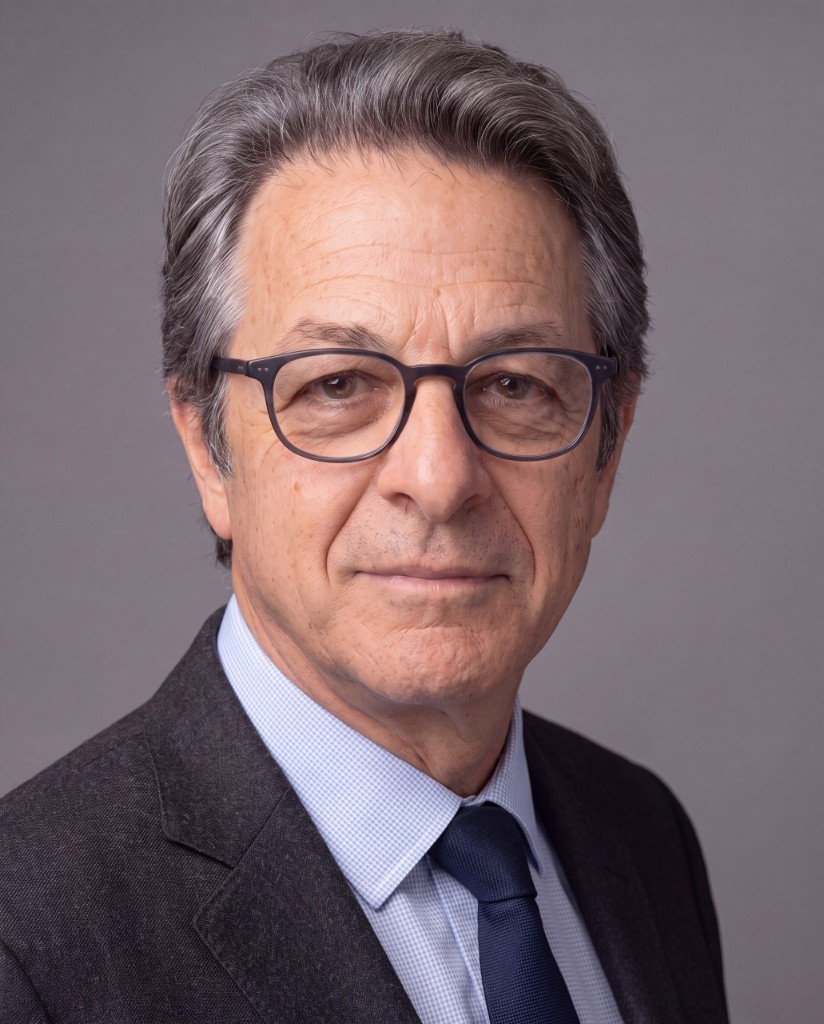
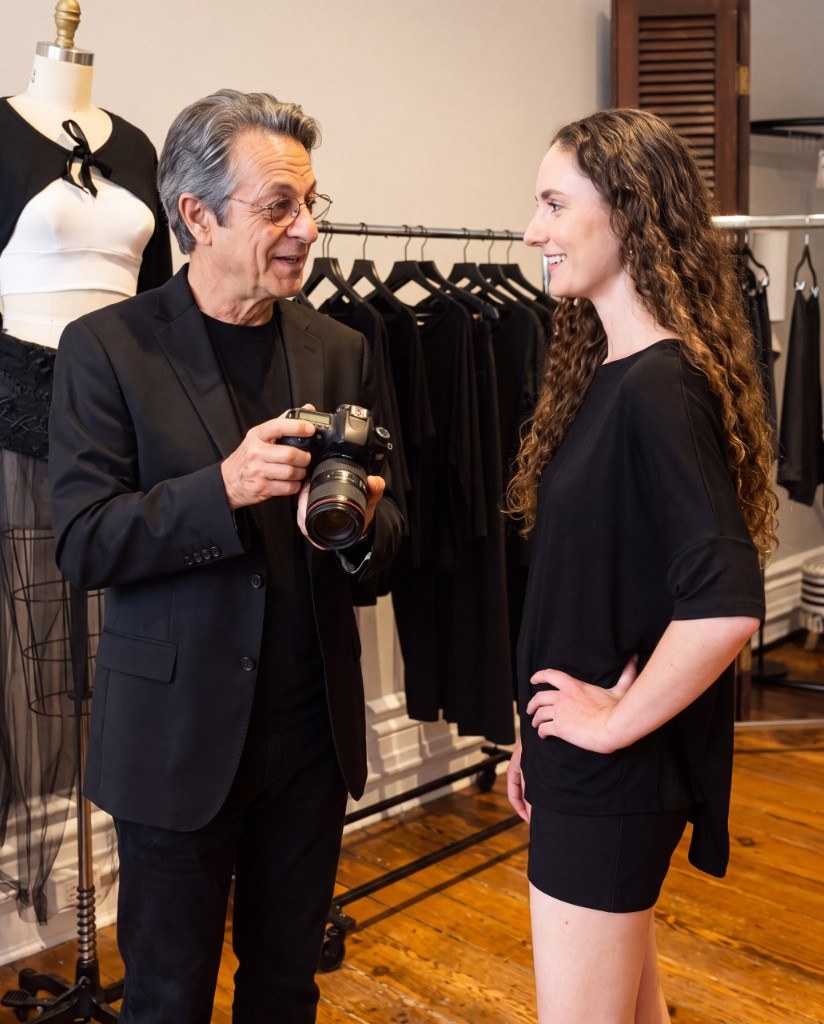
A portrait is a conversation that happens to be photographed, and most portraits fail at the conversation, not the camera. The subject arrives with a face they have practiced in the mirror and a fear of looking stupid. The photographer’s job is not to capture that practiced face. It is to interrupt it. Direction is how you interrupt it.
Give posture, not emotion
Give posture, not emotion. “Look confident” produces a mask; “put your weight on the back foot and let the front knee soften” produces a body that looks confident because it is. The face follows the body more reliably than it follows instructions. I direct the shoulders, the chin, the hands, the gaze — and I let the emotion arrive as a byproduct. When the body is right, the face stops performing.
Tasks beat adjectives
Tasks beat adjectives. “Look relaxed” is an adjective and it fails. “Look at the window, then bring your eyes back to me slowly” is a task and it works. A task gives the subject something to do with their attention, and attention is what the camera reads. The best portraits are of people who were busy with a small physical problem — turning, breathing, looking — at the moment the shutter opened.
Use silence
Silence is a direction. After a frame I often say nothing for five seconds. The subject, expecting a note, fills the silence by adjusting — a small shift of the jaw, a breath, a glance away. That adjustment is the real face. The first frame after the silence is almost always better than the frame before it. Photographers are afraid of silence because it feels rude. It is not rude. It is the most useful direction you have.
Shoot through the awkward
Shoot through the awkward. The first ten minutes of a portrait session are uncomfortable for everyone — the subject does not know what to do with their hands, and you do not yet know their face. Keep shooting. Do not stop to check the back of the camera every frame. The awkward phase ends when the subject stops trying to give you a good face and starts giving you their face. You cannot rush that moment, but you can refuse to miss it by keeping the camera up.
The frame between the frames
The frame I am really shooting for is the frame between the frames — the one the subject did not know you were taking. After a posed frame, I lower the camera a half inch and keep talking. They exhale. I raise it back. That exhale is the portrait. It is the face they wear when no one is asking them to wear a face.
A portrait session is not a performance you document. It is a small relationship you build in forty minutes, and the photograph is what that relationship looked like at its most honest second. Direction is not control. Direction is the care you take to make that second possible.